
Fake Filters. Real Downtime. What Fleet Managers Need to Know.
Counterfeit Truck Filters: How Fake Filtration Products Can Damage Your Fleet and Increase Downtime
In today’s competitive parts market, fleet operators are constantly looking for ways to control costs. Unfortunately, one hidden threat that continues to grow across the heavy-duty trucking industry is the rise of counterfeit filtration products.
These imitation filters are often designed to closely resemble trusted brands, making them difficult to identify at first glance. However, the performance differences can be significant — and the long-term consequences can be expensive.
Why Filtration Quality Matters
Modern diesel engines operate under demanding conditions. Proper filtration plays a critical role in protecting vital components by helping to remove contaminants from fuel, oil, air, and coolant systems.
When filtration products do not meet proper engineering standards, fleets may experience:
- Increased engine wear
- Reduced fuel efficiency
- Shortened service intervals
- Unexpected breakdowns
- Higher total cost of ownership
In severe cases, poor filtration performance can contribute to major engine failures that result in extended downtime and lost revenue.
The Hidden Cost of Counterfeit Parts
Counterfeit filters are typically manufactured using lower-quality materials and inconsistent production processes. While they may be priced lower than genuine products, the savings can quickly disappear if they fail prematurely or allow harmful particles to pass through critical systems.
For fleet managers focused on uptime, reliability, and long-term equipment value, choosing proven filtration solutions is an important part of an effective maintenance strategy.
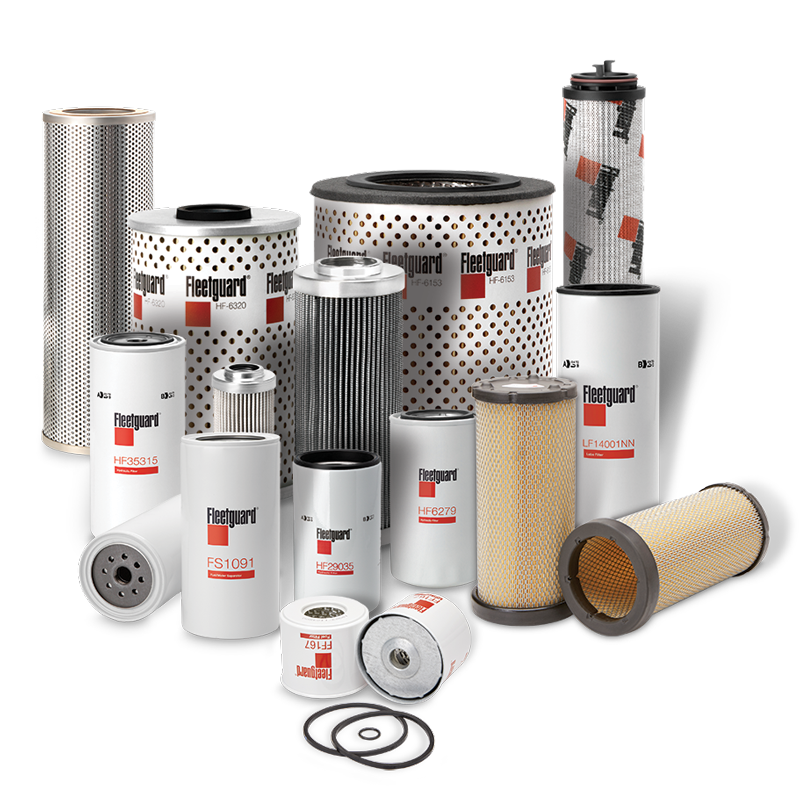
Cumberland stands behind Fleetguard filters
Signs of counterfeit filter products:
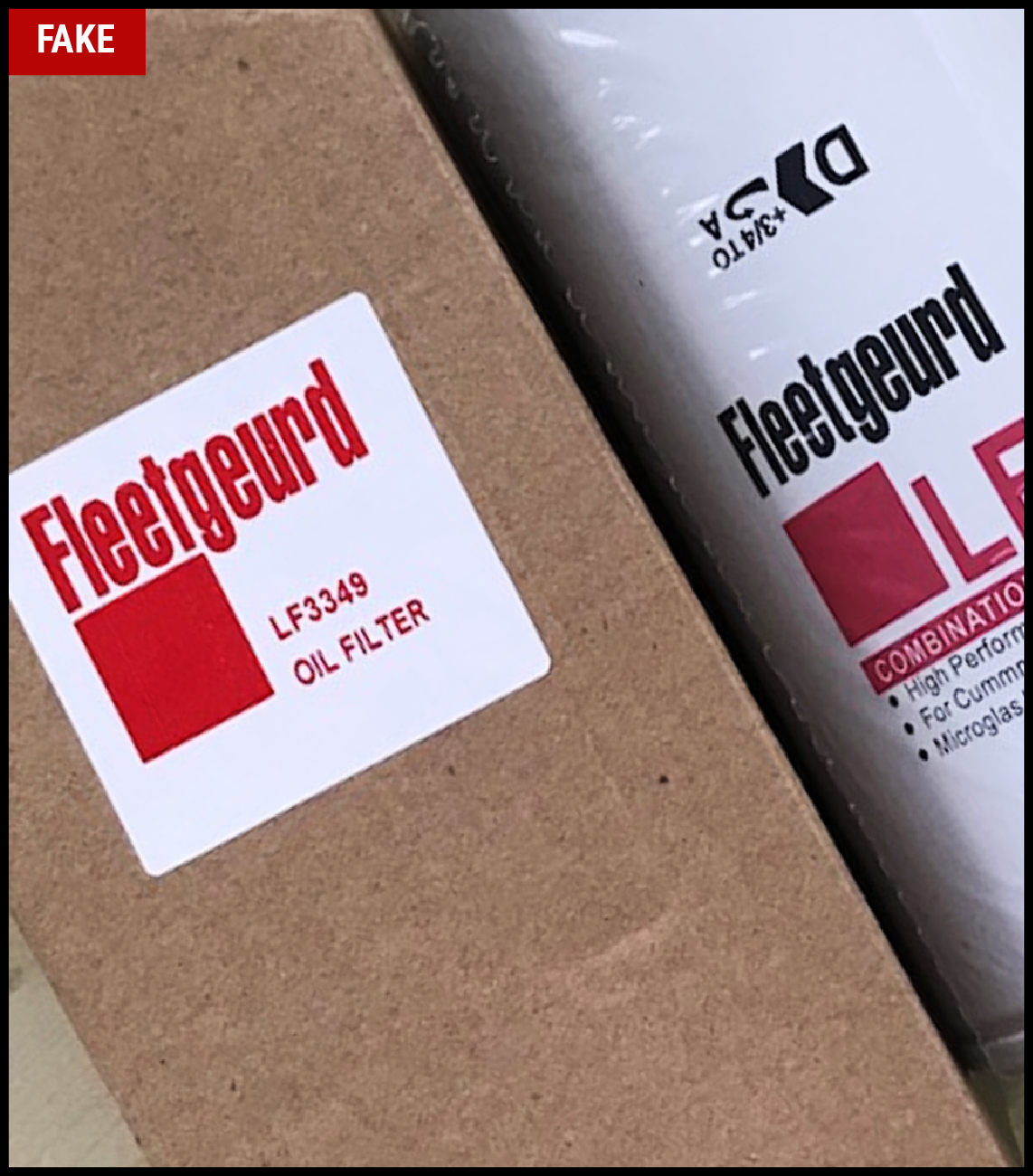
- Incorrect brand names, like Yonyu and Fleetgeurd, using our styling and colors.
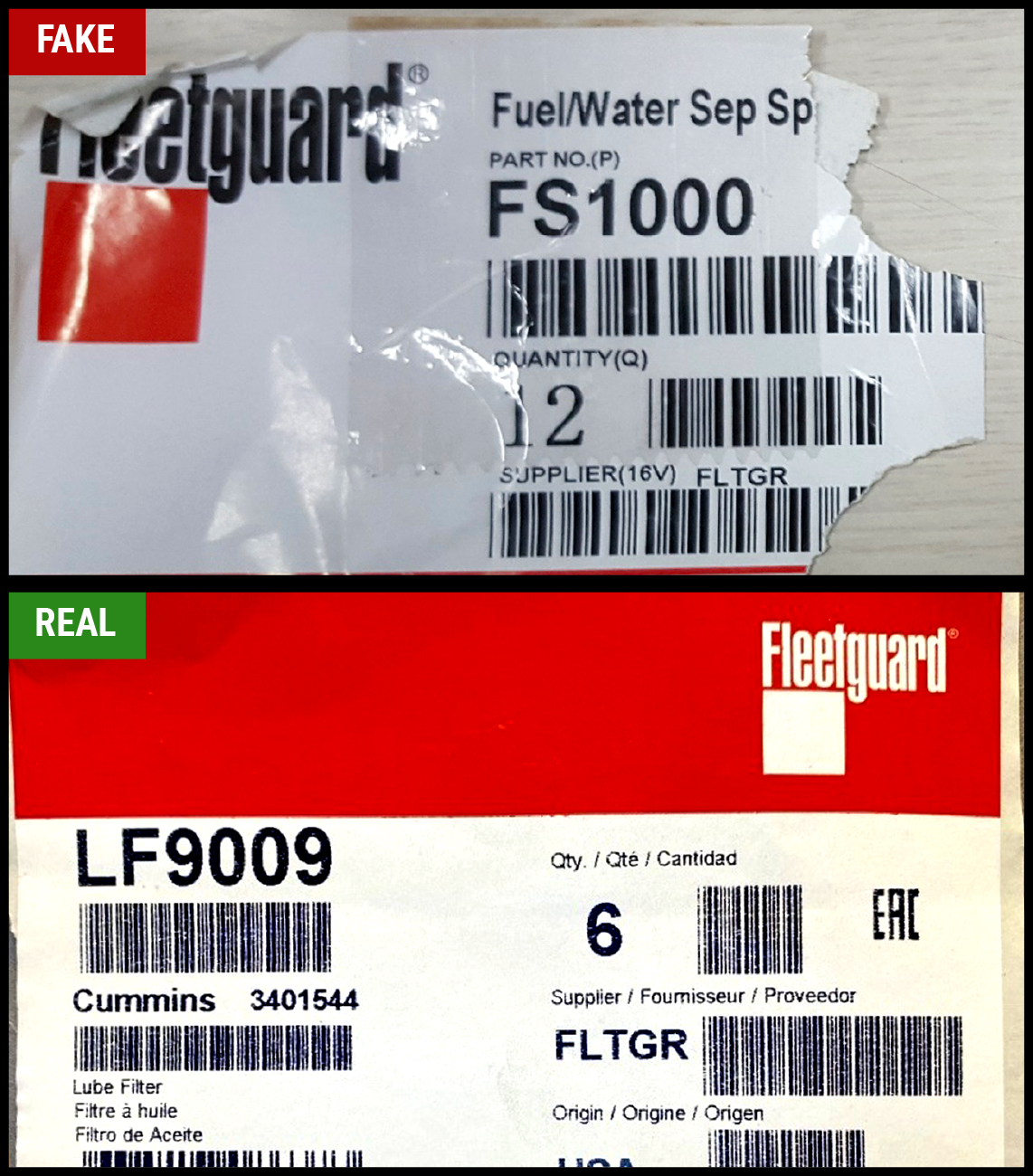
- Incorrect labeling:
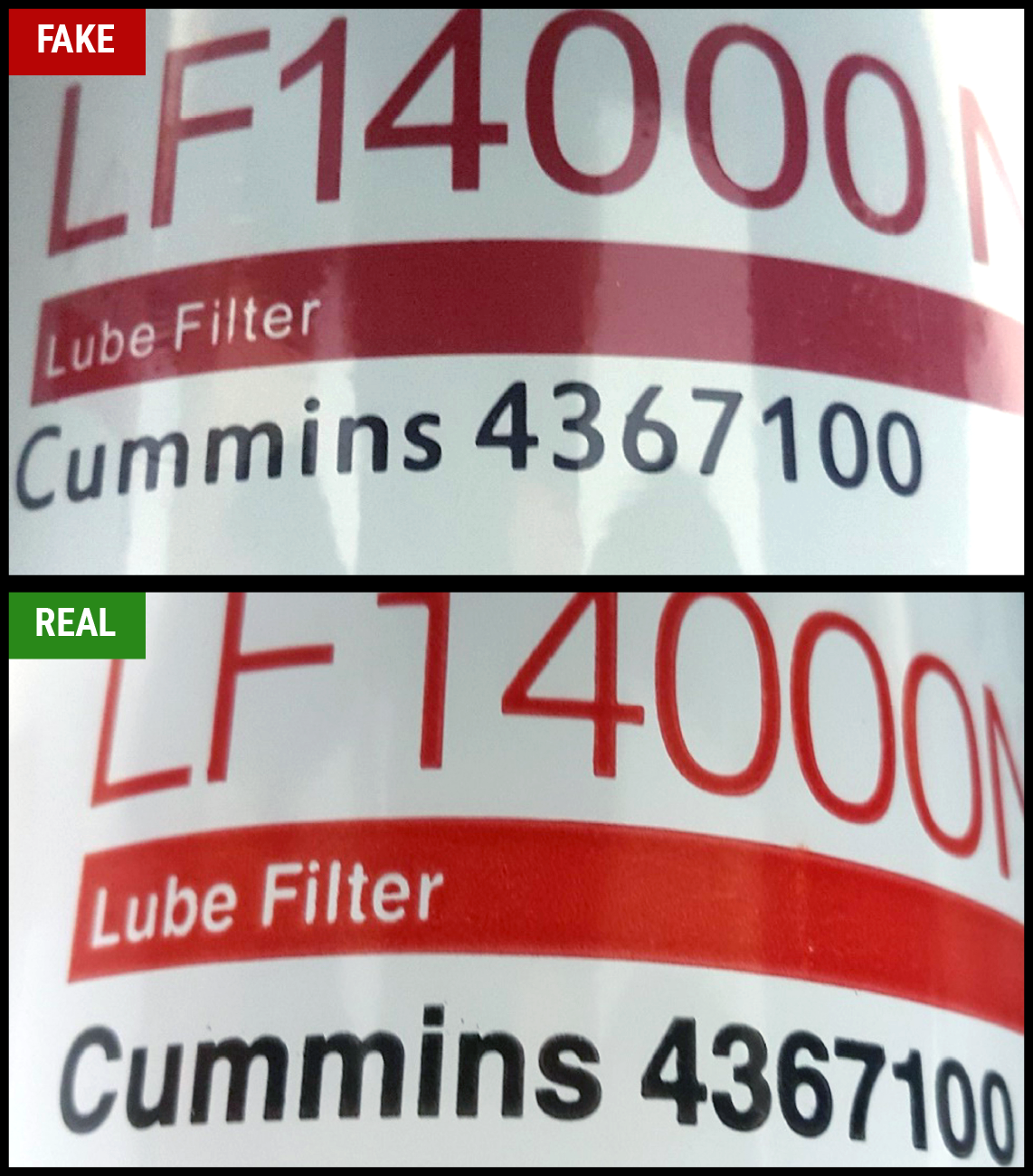
- Variations of the Fleetguard pale red
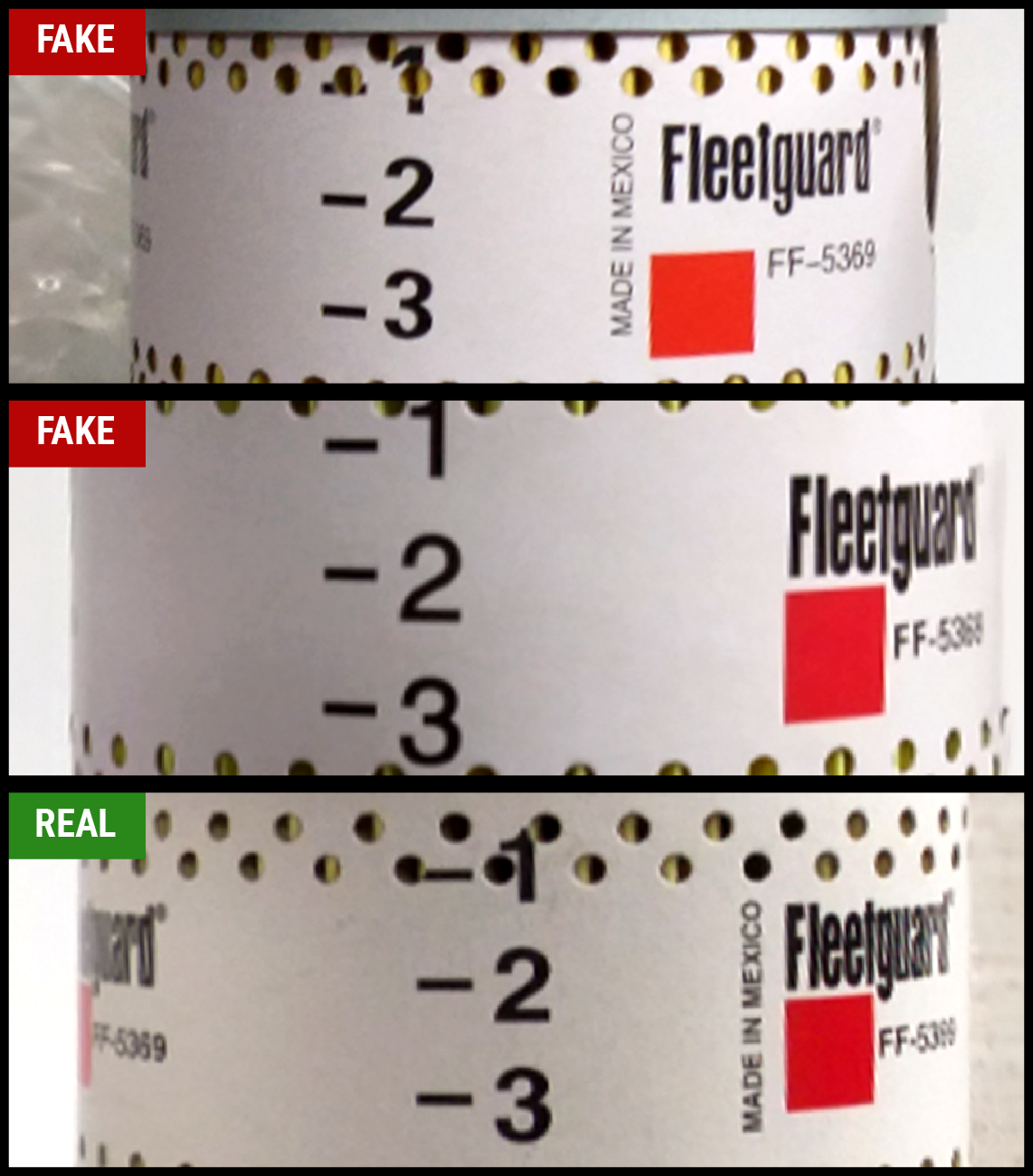
- Incorrect fonts
- Fake Fleetguard logo — The square red box should be aligned with the F and T in Fleetguard
- Poor print quality
- Missing or incorrect factory barcodes — You can scan the barcode using the Fleetguard app to be sure
- Missing or fake date code on top of filters
- Missing Fleetguard logos on filter bottoms
- Incorrect holograms — The Fleetguard logo should be clearly visible from multiple angles, with the identification code
- Expired part numbers
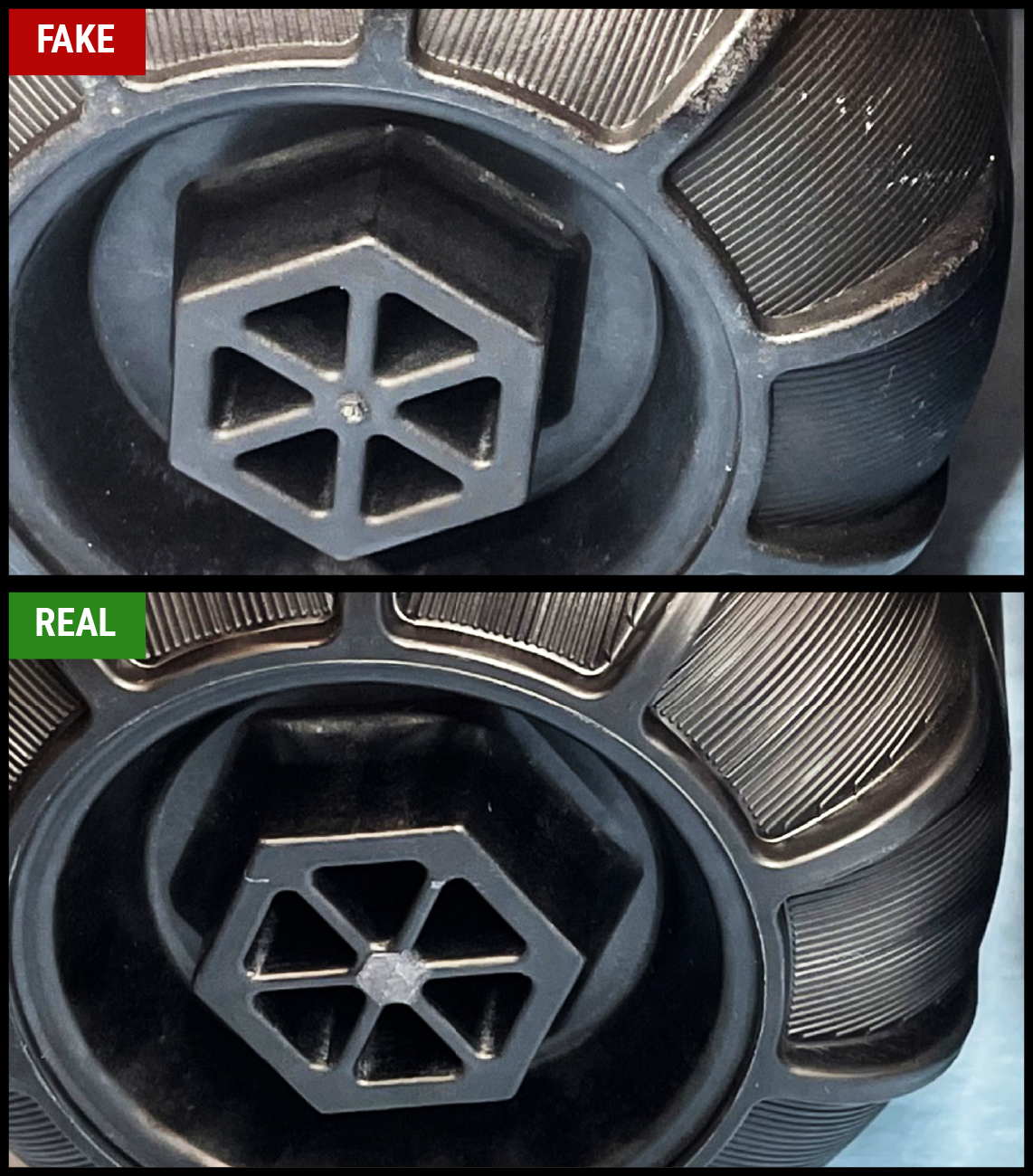
- Subtle manufacturing differences
- Painted thread (counterfeit) vs. metallic thread (genuine Fleetguard)
- Texturing on fuel filter dome that goes past the ribs (counterfeit) vs. texturing that stops at the ribs (genuine Fleetguard)
- Slightly different hex size and thickness
How to Identify Genuine Filtration Products
Because counterfeit products are designed to imitate legitimate brands, it is important to work with trusted suppliers and authorized distributors.
Best practices fleets can follow include:
- Purchasing parts through reputable dealers or vendor partners
- Inspecting packaging and labeling for inconsistencies
- Verifying part numbers and product specifications
- Training maintenance teams to recognize warning signs
- Maintaining strong preventative maintenance programs
Taking these steps can help reduce risk and ensure equipment continues to operate as intended.
Here are some visual examples to review
Protecting Fleet Performance and Uptime
Reliable filtration is a foundational component of vehicle performance. By selecting high-quality, properly engineered filter products, fleets can support longer engine life, improve operating efficiency, and reduce the likelihood of costly unplanned repairs.
Working with knowledgeable parts partners can also provide access to technical guidance, product availability, and support that helps fleets make informed maintenance decisions.